
Spur Gearboxes
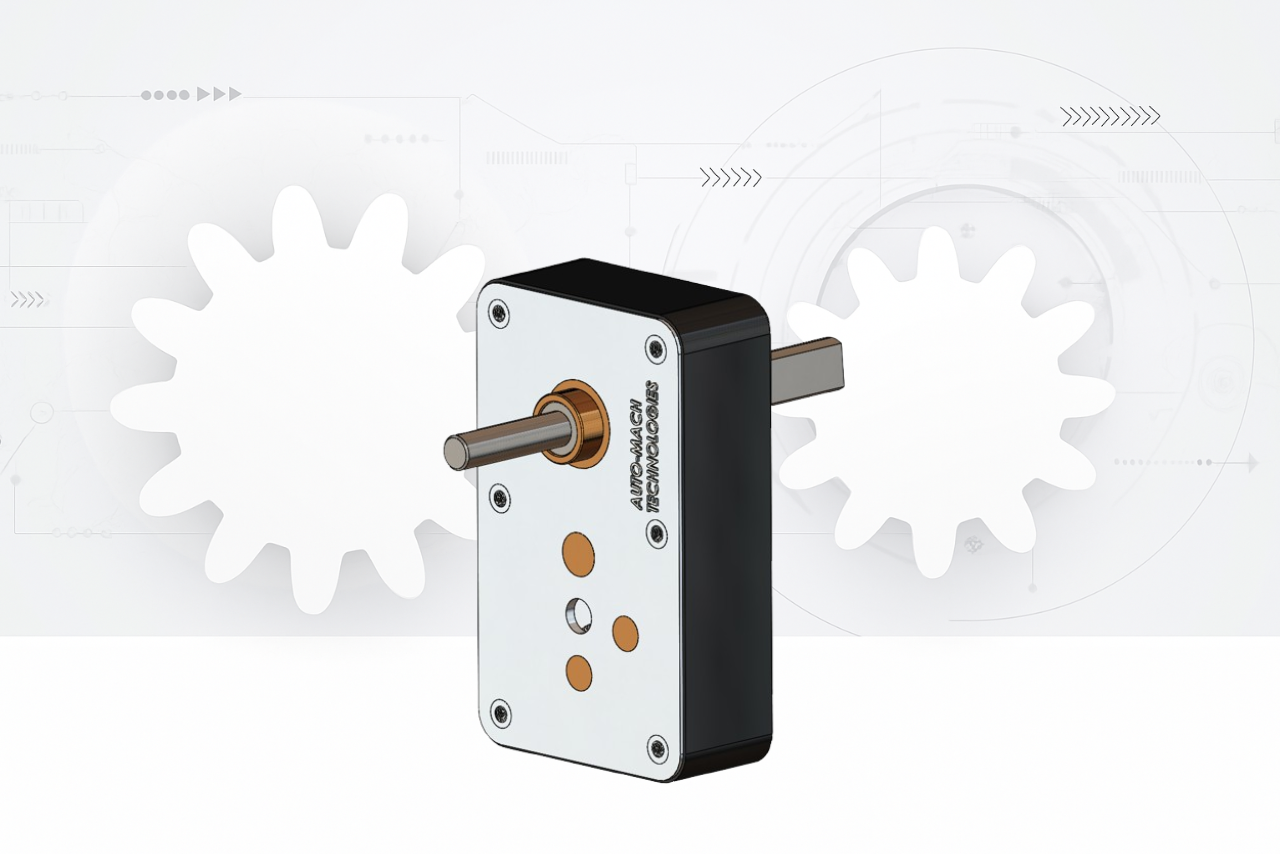
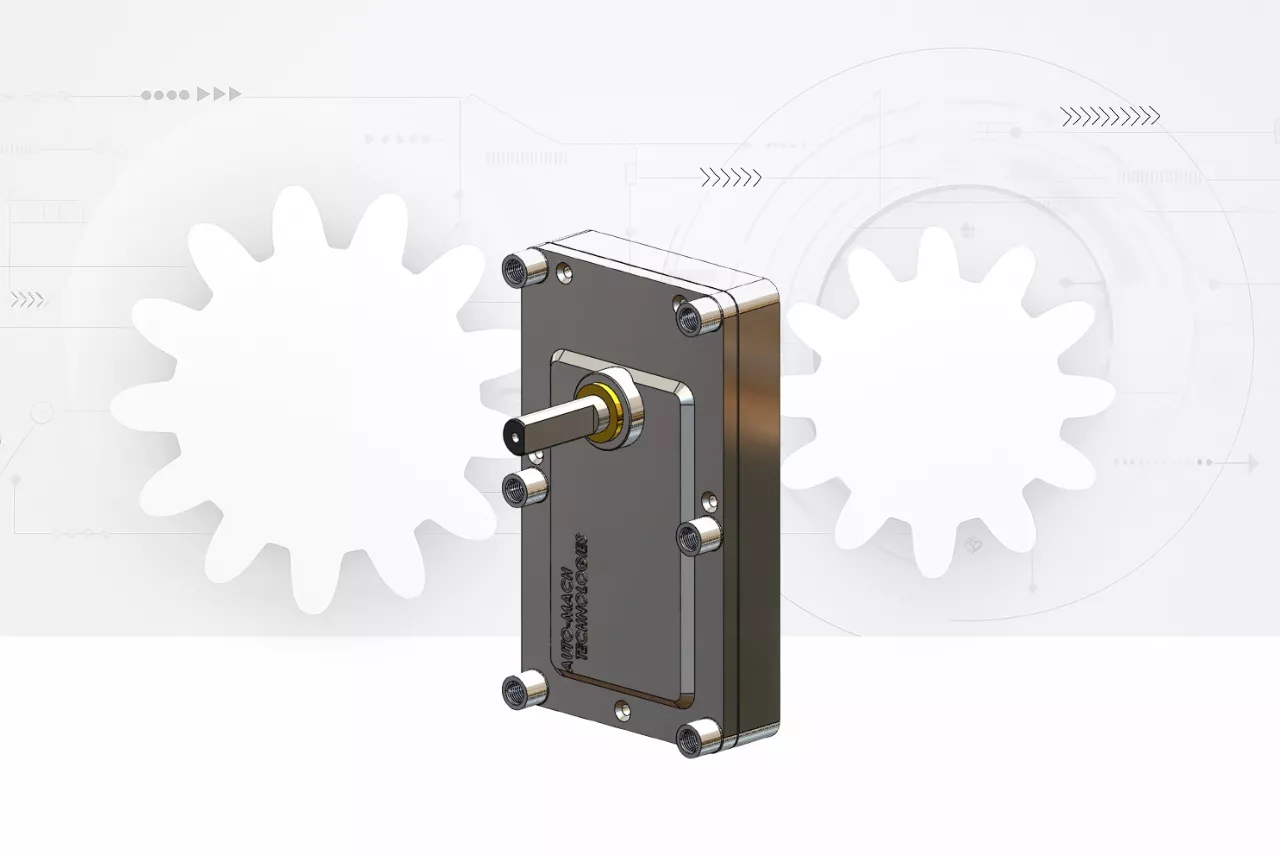
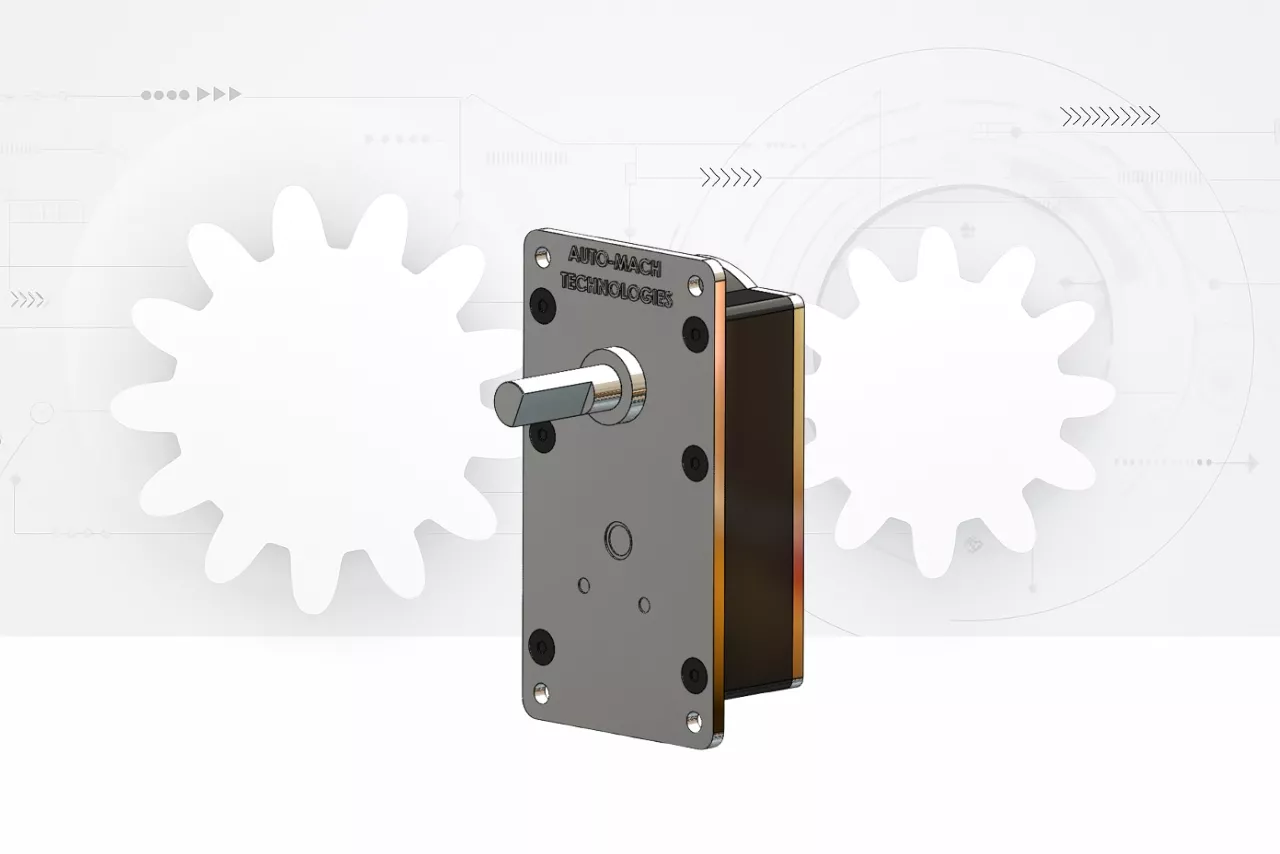
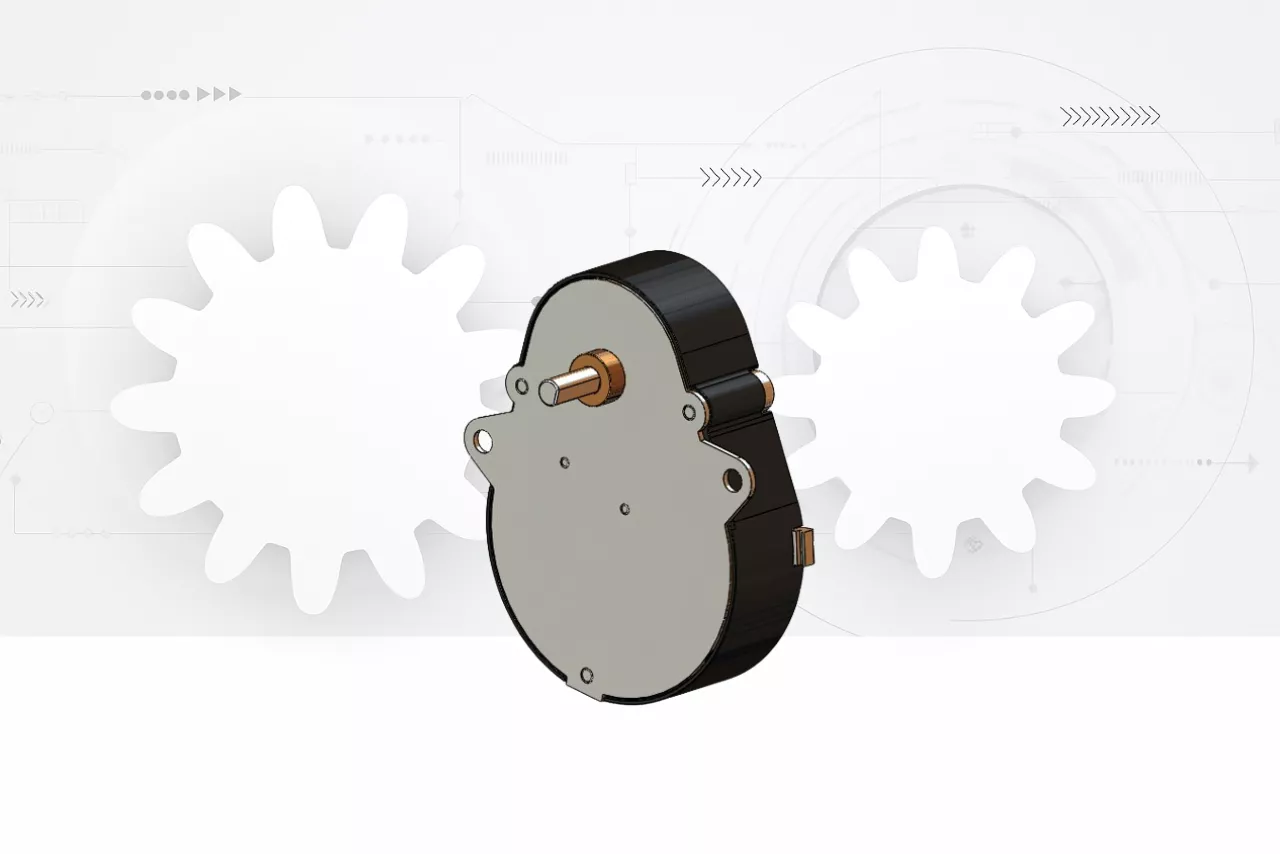
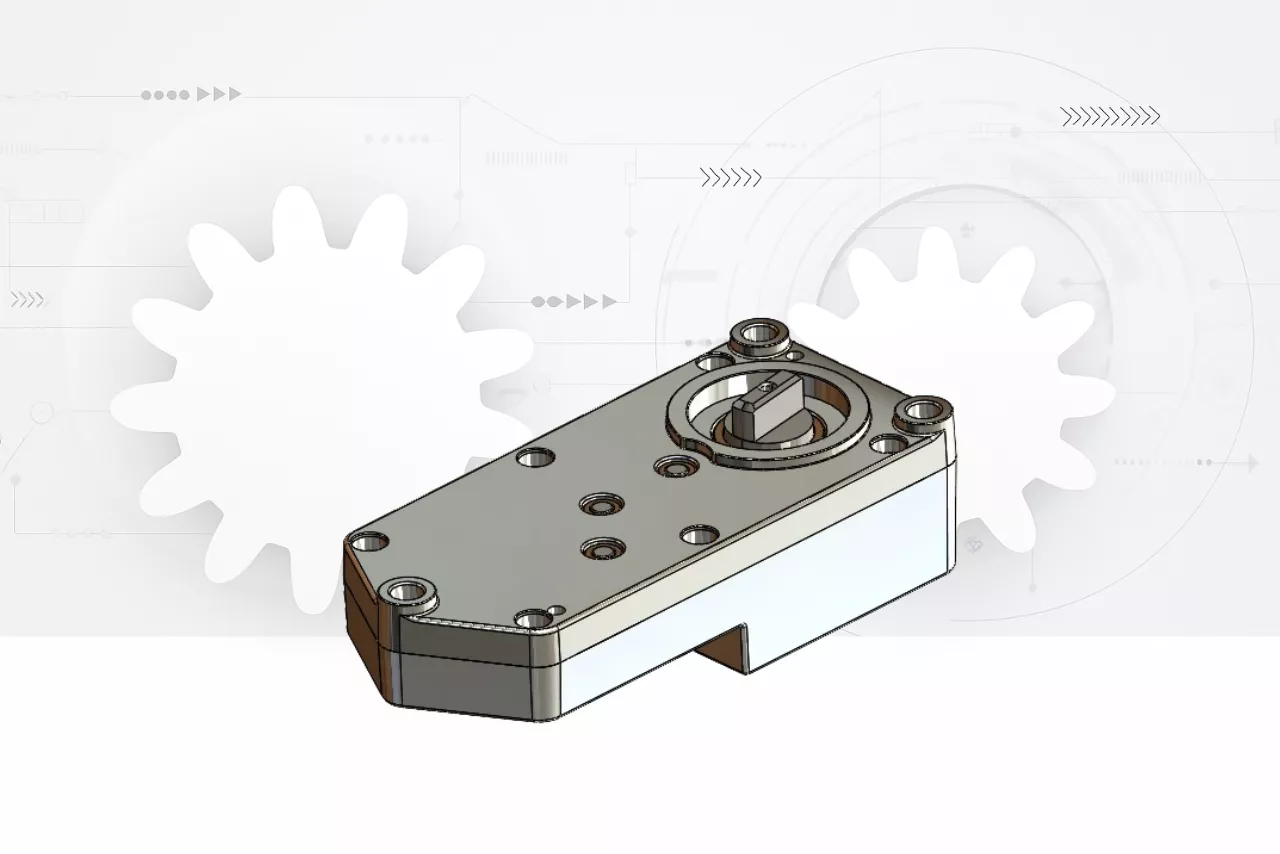
A spur gearbox is a mechanical gear reduction unit that uses cylindrical gears with straight-cut teeth mounted on parallel shafts to transmit torque and rotational motion. It reduces input speed while proportionally increasing output torque, making it one of the most efficient and widely used gear reducer types in industrial automation, robotics, and motion control systems.
How Spur Gearboxes Work?
A spur gearbox transmits power between two parallel shafts: an input shaft connected to the motor, and an output shaft connected to the driven load. The input gear (pinion) meshes directly with a larger output gear, and because the teeth engage in a straight line of contact, the gear ratio is simply the ratio of tooth counts between the two gears. This tooth ratio defines the relationship between speed and torque. As the output gear has more teeth than the input pinion, the gearbox reduces rotational speed and proportionally multiplies torque — the fewer rotations the output shaft makes per input rotation, the more torque it delivers. Because spur gears mesh directly on parallel axes with no offset angle, they transmit power with minimal slip and high mechanical efficiency, though they do generate more operating noise than helical alternatives due to the abruptness of straight-tooth engagement. Explore common industrial applications of spur gearboxes to see where spur gearboxes are used in the field.
Compatible Motor Types
Our spur gearboxes are engineered to pair with the following motor types:
Stepper Motors (PM & Hybrid)
Spur gearboxes amplify the stepper's holding torque at low speed, which is critical for positioning-accuracy applications like valve actuation and indexing tables.
BLDC Motors
Pairing a spur gearbox with a BLDC motor increases usable torque at the output shaft while preserving the motor's high efficiency and long service life.
DC Geared Motors
Spur gear stages are commonly used as the internal reduction mechanism in DC geared motor assemblies , delivering compact torque multiplication for light-to-medium loads.
Synchronous Motors
Spur gearboxes step down the constant synchronous speed to application-specific output speeds without affecting the motor's fixed-frequency timing accuracy.
AC Induction Motors
Spur reduction stages bring high-speed AC induction output down to usable mechanical speeds for conveyors, dampers, and industrial actuators.
Key Advantages of Spur Gearboxes
Synchronous motor advantages come down to speed accuracy, simplicity, and long service life
High mechanical efficiency

Precise, constant gear ratio

Compact torque multiplication

Long operational life under duty cycle

Simple maintenance

Cost-effective gear reduction
Industry Applications
Solar Tracking Systems
Spur gearboxes drive slow, precise tilt adjustments to keep panels aligned with the sun, prioritizing positioning accuracy over speed.
Wind Turbine Mechanisms
Used for yaw and pitch control, spur gear reduction provides the torque needed to adjust blade angle and turbine orientation under load.
Packaging Machinery
Ideal for high-repetition indexing and conveyor drives, delivering consistent and repeatable torque cycle after cycle.
Conveyor Systems
Spur gearboxes step down motor speed to match belt speed while multiplying torque to move loaded materials reliably.
Robotics & Automation Arms
Compact spur gear stages provide precise, backlash-controlled motion in joints and actuators where positioning accuracy is critical.
Dampers & Level Switches
Low-speed, high-torque spur gear output enables precise actuation in HVAC dampers and industrial level-sensing applications.
Pellet Stoves & Home Automation Equipment
Compact spur gearboxes are suited for auger feed mechanisms and control actuators requiring a small footprint, quiet operation, and reliable performance.
How to Choose the Right Spur Gearbox
- Define required output torque. Calculate the torque your load demands at the output shaft, then select a gearbox rated above this with an appropriate safety margin.
- Determine required gear ratio. Divide your motor's rated speed by the target output speed to find the reduction ratio needed.
- Check mounting constraints. Confirm available space and required mounting orientation (face mount, parallel shaft, bracket-mounted) against the gearbox's housing dimensions.
- Assess duty cycle and environment. Continuous-duty, high-cycle applications need a gearbox rated for sustained operation; intermittent-use equipment has more flexibility.
- Evaluate noise tolerance. If the application is noise-sensitive, weigh whether a helical alternative may be more appropriate than a straight-tooth spur design.
- Confirm shaft configuration. Verify whether your application needs a single output shaft, dual shaft, or custom shaft length/diameter.
- Match to your motor type. Confirm compatible bore size, mounting interface, and torque rating with your selected stepper, BLDC, DC geared, synchronous, or AC induction motor.
Ready to spec your motor?
for a spur gearbox built to your torque, ratio, and mounting requirements — send your spec sheet to our engineering team in Pune and hear back with feasibility and pricing within days.