

Industrial Spur Precision Gear Manufacturer in India
An industrial spur precision gear is a straight-toothed gear that moves power between two parallel shafts with tight, repeatable accuracy. Auto-Mach Technologies makes these gears in Pune, Maharashtra, using En8D, En19, and En24 steel, with tooth counts from 7 to 350 and diameters from 5 mm to 400 mm. If your machine needs a dependable industrial spur precision gear, you can get a quote from our engineering team today.
We’ve built spur gears since 1990, and we’re ISO 9001:2015 and ISO 14001:2015 certified. We serve 300+ clients across 12 countries, from small job shops to large OEM production lines. Every industrial spur precision gear we ship goes through the same quality checks, whether you order 500 pieces or 50,000.
What Is an Industrial Spur Precision Gear?
A spur gear has straight teeth cut parallel to the shaft axis. When two spur gears mesh, the teeth engage and disengage cleanly, one tooth at a time, which makes torque transfer direct and efficient. This is why spur gears show up in gearboxes, actuators, pumps, and conveyor drives across almost every industrial sector.
An industrial spur precision gear takes this basic design and holds it to tighter tolerances. We machine each gear so tooth spacing, pitch diameter, and bore alignment stay consistent from the first piece to the last piece in a batch. That consistency matters most in applications where backlash, noise, or uneven wear can shut down a production line.
How Does an Industrial Spur Precision Gear Work?
An industrial spur precision gear works by transferring rotational motion from a driving shaft to a driven shaft through direct tooth contact. As the driving gear turns, its teeth push against the teeth of the mating gear, converting speed and torque based on the ratio between the two gears' tooth counts.
Because the teeth are cut straight and parallel to the shaft, contact happens across the full face width at once. This gives strong, immediate torque transfer, though it can also produce more noise at high speeds than a helical gear. For most industrial machinery running at moderate speeds, that trade-off doesn't matter, and the spur gear's efficiency and simplicity win out.
We cut every industrial spur precision gear on precision machining equipment, then finish it to hold tight pitch and tooth-profile tolerances. If your application needs extra wear resistance, we offer induction hardening on the tooth surface, which extends service life under repeated load.
Specification Table
| Property | Value |
|---|---|
| Number Of Teeth | 7 to 350 Teeth |
| Bore Size | As per requirement |
| Face Width | As per requirement |
| Material | En8D, En19, En24 or as per requirement |
| Usage/Application | Industrial |
| Shape | Spur |
| Diameter | 5 mm to 400 mm |
| Hardening Process | Induction Hardening |
| Packaging Type | Box |
| Type | Spur Gear |
| Minimum Order Quantity | 500 Piece |
Get in Touch With Our Experts
What Is the Difference Between a Spur Gear and a Helical Gear?
The main difference between a spur gear and a helical gear is tooth geometry. Spur gear teeth run straight and parallel to the shaft. Helical gear teeth are cut at an angle, so more than one tooth stays in contact at any moment.
| Feature | Spur Gear | Helical Gear |
|---|---|---|
| Tooth design | Straight, parallel to shaft | Angled, spiral cut |
| Noise level | Higher at speed | Lower, smoother running |
| Efficiency | Very high, direct contact | Slightly lower due to sliding friction |
| Axial thrust | None | Present, needs thrust bearings |
| Best for | Moderate-speed, high-torque jobs | High-speed, low-noise jobs |
| Manufacturing cost | Lower | Higher |
Applications
The motor’s precise control, durability, and efficiency make it ideal for a wide range of diamond processing and industrial automation tasks:
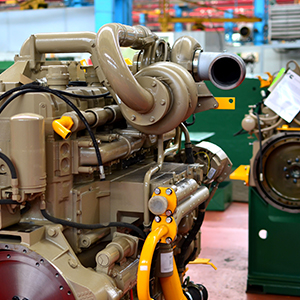
Industrial machinery
gearboxes, actuators, and drive trains that need steady torque
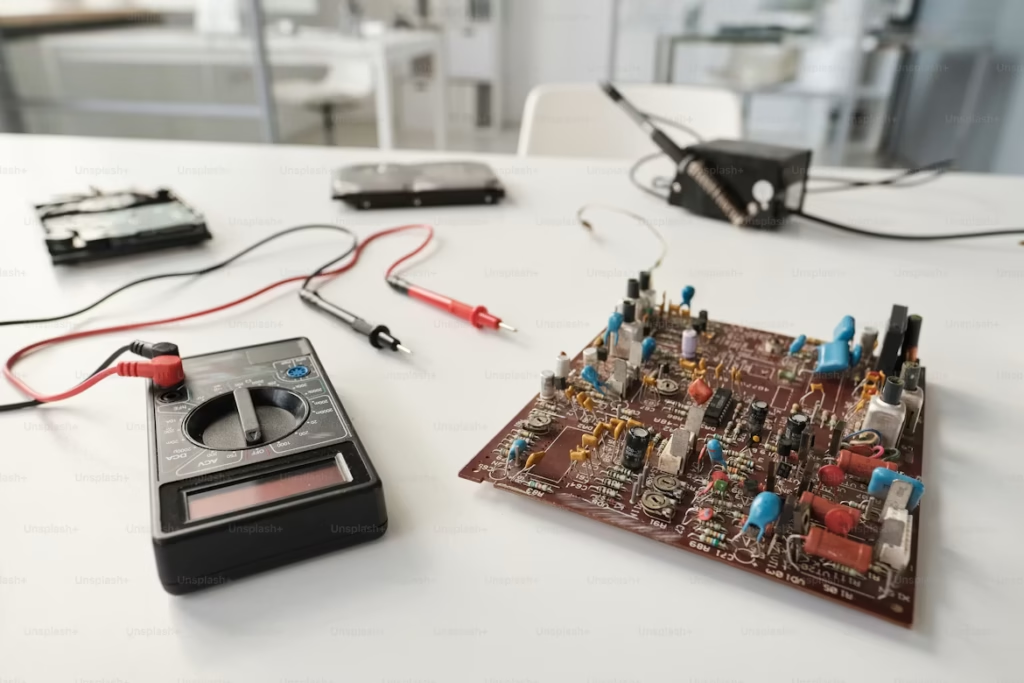
Power transmission equipment
systems moving rotational energy between shafts
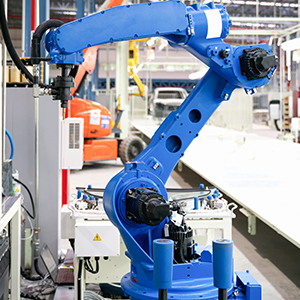
Robotics and motion control
precise, repeatable motion in automated arms and rigs

Conveyors and material handling systems
continuous-duty gears in warehouse and factory lines
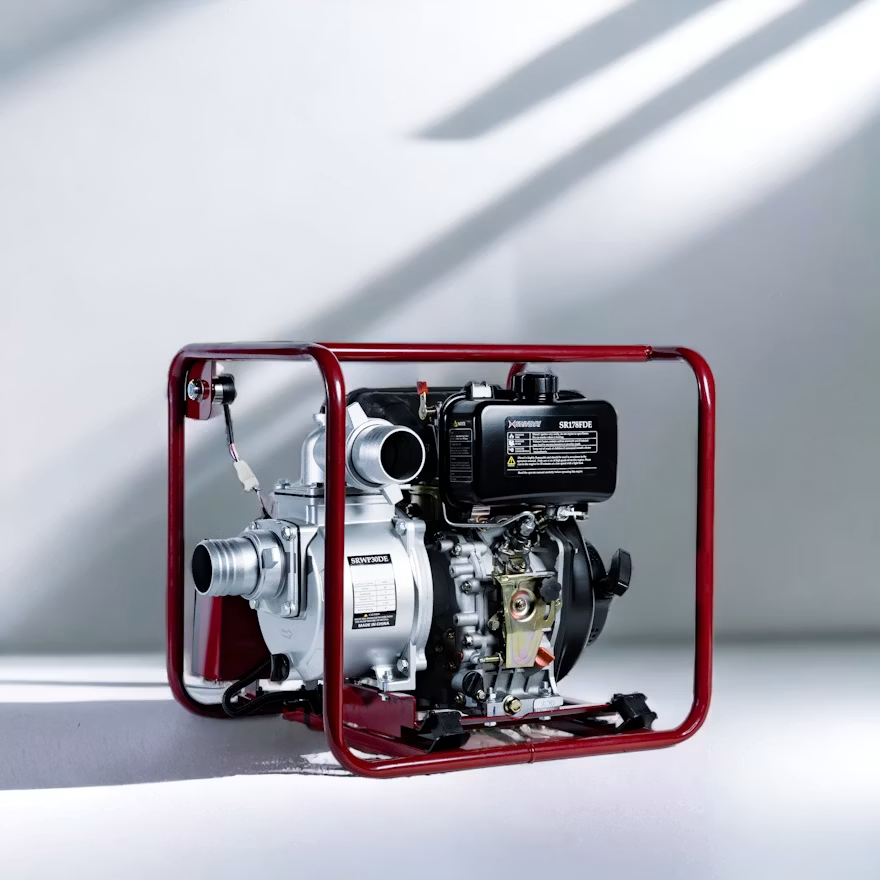
Pumps and compressors
gears that hold up under constant load cycles
Why Choose Auto-Mach Technologies for Industrial Spur Precision Gears?
We've manufactured gears, motors, and gearboxes in Pune, Maharashtra since 1990, so we've had over three decades to refine our machining process. That experience shows up in tighter tolerances and fewer rejected parts on the shop floor.

ISO-certified quality system
We hold ISO 9001:2015 and ISO 14001:2015 certification

In-house precision machining
we control accuracy at every step instead of outsourcing critical processes.

Custom gear solutions.
we'll manufacture a spur gear to match, from prototype quantities up to bulk production.

Export experience
We ship to 12 countries and work with 300+ clients

Direct manufacturer pricing
Buy directly from the manufacturer instead of a reseller
Ready to move forward? Request a sample, or talk to our engineering team about your next batch of industrial spur precision gears
Frequently Asked Questions
A spur gear is a type of gear with straight teeth that are aligned parallel to the shaft. It is commonly used to transfer motion and power between two parallel shafts in mechanical systems.
Spur gears operate by interlocking their straight teeth with another gear. When one gear rotates, it drives the other gear, allowing smooth transmission of speed and torque without slipping.
A spur gear is used in applications where efficient power transmission between parallel shafts is required. These gears are widely used in machinery like gearboxes, conveyors, and industrial equipment.
Spur gears are used across various industries, including:
- Manufacturing machinery
- Automotive systems
- Material handling equipment
- Gear pumps
- Textile and packaging machines
Spur gears are preferred because of their simple design, high efficiency, and ease of manufacturing. They are ideal for applications that require reliable and precise motion transfer.
The main difference between spur gear and helical gear is in the tooth design. Spur gears have straight teeth, while helical gears have angled teeth. This makes spur gears more efficient, whereas helical gears operate more smoothly and quietly.
The choice depends on the application. Spur gears are better for cost-effective and efficient operations, while helical gears are more suitable for high-speed and low-noise environments.
Some key advantages include:
- High efficiency
- Simple construction
- Easy maintenance
- Cost-effective production
- No axial thrust generation
Despite their benefits, spur gears have some drawbacks:
- They can be noisy at high speeds
- Less suitable for heavy load applications
- May cause vibration in certain conditions
To select the right spur gear manufacturer in India, look for:
- Precision engineering capabilities
- Use of high-quality materials
- Ability to provide custom solutions
- Proven industry experience
- Consistent quality standards